What Homeowners Should Avoid Flushing to Reduce Residential Drain Cleaning Needs
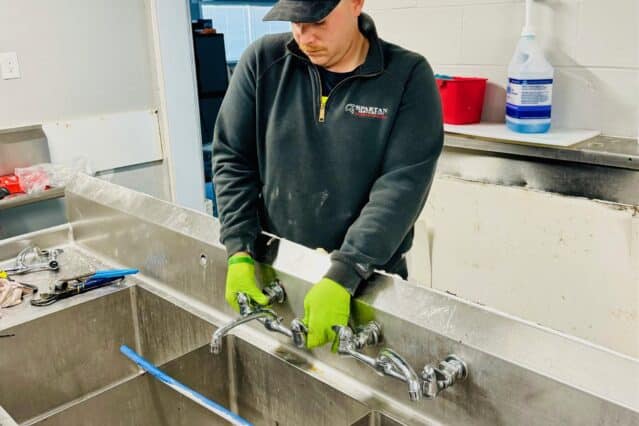
Most drain problems do not begin with a dramatic backup. They start quietly, with small habits repeated every day. A little grease rinsed off a skillet. A few wipes pushed down the toilet because the package says flushable. Coffee grounds washed into the sink. None of these choices feels serious in the moment, yet they are exactly the kind of routine behavior that keeps plumbers busy and sends homeowners searching for Residential Drain Cleaning services sooner than they should have to.
The frustrating part is that many of the worst clogs are preventable. In homes, drain lines are not designed to handle everything that disappears under running water. Pipes can move wastewater well enough, but they do not grind, dissolve, or magically neutralize solids, fats, or stringy debris. Once the wrong material enters the system, it tends to collect where flow slows down, at bends, at rough joints, or farther along in the main line where years of buildup have already narrowed the passage.
I have seen this pattern play out in newer homes and older ones alike. People often assume drain trouble is mainly about the age of the plumbing. Age matters, especially with cast iron or Orangeburg sewer lines, but daily use matters just as much. A modern PVC system can clog badly if the household treats it like a trash chute. On the other hand, an older home can stay functional for years with sensible habits and timely maintenance.
The biggest misunderstanding about flushing and rinsing
The average homeowner tends to divide waste into two categories: things that vanish and things that go in the trash. Plumbing does not see it that way. Drain systems work best with three basic inputs, water, human waste, and toilet paper in reasonable amounts. Outside that narrow range, trouble starts.
Kitchen drains are especially misunderstood. A garbage disposal can create the illusion that anything edible belongs in the sink. It does not. A disposal only chops food into smaller pieces. It does not change how that material behaves once it enters the line. Dense starches swell, grease cools and sticks, fibrous vegetables twist together, and grounds settle out. Toilets have the same image problem. If an item fits through the bowl and disappears when flushed, many people assume the system has accepted it. Often it has only moved the problem farther downstream.
That distinction matters because once a blockage forms deeper in the branch line or in the sewer lateral, the fix becomes more disruptive. A quick plunger job at the fixture level is one thing. Pulling a toilet, snaking a line through a cleanout, hydro jetting a greasy kitchen branch, or camera-inspecting a main line is another.
What should never go down a toilet
The toilet is not a general disposal point, even if it feels convenient. The safest rule is simple: flush human waste and toilet paper, and be skeptical of almost everything else. That sounds strict, but it reflects how residential drainage systems actually perform in the field.
The worst offenders are wipes, even those labeled flushable. This is one of the most common causes of recurring toilet and sewer line clogs. Toilet paper is designed to break apart quickly in water. Wipes are designed to stay intact while wet. That is useful in your hand and terrible in a drain line. Once they catch on a rough pipe surface or a tree root intrusion, they start collecting more material, and the blockage grows fast.
Paper towels and facial tissues cause similar trouble, though for a different reason. They are more durable than toilet paper and do not disintegrate nearly as well. Cotton balls, cosmetic pads, and dental floss are also regular culprits. Floss is deceptively small, but it tangles around other debris and can form surprisingly stubborn snags inside the line.
Feminine hygiene products create another category of expensive mistakes. Tampons, pads, applicators, and wrappers absorb water, expand, and resist breakdown. In a toilet trap or building drain, they can lodge firmly and turn a minor restriction into a full stoppage. The same goes for diapers, even the smallest ones, which still retain liquid and swell.
Medications are a different kind of problem. They may not always cause a physical clog, but flushing them introduces substances into the wastewater system that are not meant to be there. Disposal recommendations vary by product and local regulation, so it is better to follow pharmacy or municipal guidance rather than use the toilet as a shortcut.
Cat litter deserves mention because some packaging implies sewer compatibility. Even when marketed as flushable, litter tends to clump, settle, and add weight to the waste stream. In practical terms, it behaves like a material that was never meant for home plumbing.
The kitchen sink causes more drain trouble than most bathrooms
Bathroom clogs get attention because they are dramatic. Kitchen clogs are often slower and more expensive because they build layer by layer. Grease is the main villain here, and it does not need to be poured in by the cup to cause trouble. A thin film from rinsing pans, plates, roasting trays, or greasy containers is enough to start coating the pipe walls. Over time that film traps food particles, soap residue, and other debris. The line gets narrower, flow gets slower, and one day the sink backs up with very little warning.
Homeowners often ask whether hot water and dish soap solve the problem. They help only temporarily. Hot water can keep grease liquid long enough to move it a bit farther down the pipe. Dish soap can disperse some of it. Neither changes the fact that fats, oils, and grease cool and solidify. Often the result is not prevention, just relocation. Instead of congealing near the sink, the grease hardens farther down where it is harder to remove.
Coffee grounds are another frequent issue. People assume they are harmless because they are small and grainy. In pipes, they behave more like wet sediment. They settle, pack, and combine with grease to form a sludge that is far denser than either material alone. If I had to name one kitchen habit that people defend despite years of plumbing evidence, it would be sending grounds through the disposal.
Rice, pasta, oats, and other starches also deserve caution. They absorb water, swell, and continue changing after they enter the drain. A small amount may pass through without incident, but regular disposal through the sink is asking for buildup. Flour is even worse in some cases because it forms a paste. Mixed with grease, it creates something close to adhesive.
Eggshells remain controversial in household advice, mostly because people hear they help sharpen garbage disposal blades. In real homes, that supposed benefit is overstated. Disposal units do not work like knife sharpeners, and shells break into gritty fragments that can settle in bends or combine with grease. The membrane inside the shell can also wrap around parts of the disposal.
Stringy or fibrous foods are notorious for jamming disposals and clogging kitchen branches. Celery, corn husks, onion skins, artichoke leaves, asparagus trimmings, and potato peels all create trouble because they resist grinding cleanly. In practice, they behave more like threads than crumbs.
Five things homeowners should keep out of drains
The shortest useful checklist looks like this:
- Fats, oils, and grease from cooking
- Wipes of any kind, including products labeled flushable
- Coffee grounds and dense food scraps
- Paper products other than toilet paper
- Hair, floss, and other stringy materials
Everything on that list shows up again and again in real service calls. Some items cause immediate stoppages. Others create slow accumulations that only become obvious once the pipe has already narrowed significantly.
Hair is not just a shower problem
Hair seems minor because each strand is small. In a drain, it acts more like netting. It catches soap scum, skin residue, toothpaste, shaving cream, and whatever else passes by. Over weeks or months, that combination forms a dense mat that clings to the inside of the trap or branch line. In bathroom sinks, the problem often begins with shaving. In tubs and showers, long hair is the predictable culprit, but short hair adds up too.
Soap adds its own complication. In areas with hard water, soap residue combines with minerals and creates a stubborn, chalky buildup. When that residue coats pipe walls, hair grabs onto it more easily. The result is the familiar slow shower drain that starts with a little standing water and eventually requires snaking.
This is why homeowners should be cautious with sink strainers and shower screens. They look simple, but they are among the cheapest tools for reducing Residential Drain Cleaning calls. The trade-off is that they require regular emptying. People often install them and then stop cleaning them because it is unpleasant. Unfortunately, the unpleasant task at the drain opening is what prevents the more expensive unpleasant task inside the wall or under the slab.
“Flushable” is a marketing word, not a plumbing standard you should trust blindly
A lot of packaging is designed around consumer convenience, not around long-term drain performance in the average home. When a product says flushable, it may mean it can leave the bowl under favorable conditions. That is a much lower bar than traveling reliably through a household drain system, into the building sewer, and onward without snagging or accumulating.
Older homes are especially vulnerable. Slight offsets in pipe joints, scale buildup in cast iron, minor root intrusion, or long horizontal runs can all turn a marginally flushable product into a blockage starter. Even in newer systems, low-flow fixtures can reduce the carrying force available to move solids through the line. That is good for water savings, but it means homeowners need to be more selective about what enters the system.
I have seen households spend several hundred dollars on emergency service because wipes caused a blockage that could have been avoided by keeping https://judahhwoj776.theglensecret.com/residential-drain-cleaning-how-tree-roots-can-affect-your-pipes a small trash can beside the toilet. That sounds obvious after the fact, but convenience often wins until a backup happens.
The garage, utility sink, and workshop create their own drain risks
People usually think about kitchen and bathroom drains, but utility sinks collect a surprising range of damaging materials. Paint, joint compound residue, grout wash, plaster, concrete slurry, and wood filler should never be rinsed into household plumbing. Some of these materials harden. Others settle out and create stubborn obstructions. Once a line is coated with construction residue, normal cleaning can become much more difficult.
Motor oil, solvents, adhesives, and chemicals pose a different hazard. They may not always create clogs, but they can damage components, create safety concerns, and violate local disposal rules. Even if a product seems liquid enough to pour, that does not make it drain-safe.
Muddy rinse water from tools or boots can also cause problems over time. Sediment settles in low spots and traps additional debris. A little silt may not matter once, but repeated washing of grout buckets or muddy equipment into the same line is how utility drains gradually lose capacity.
Garbage disposals help, but only within limits
A garbage disposal is useful for small residual food particles left on dishes. It is not a substitute for scraping plates into the trash or compost. This distinction saves a lot of headaches.
People tend to overload disposals in two ways. First, they feed in too much material at once. Second, they use the unit for foods that do not grind or transport well. Even a strong disposal can leave heavy particles in the line if the water flow is inadequate. Cold water is usually recommended during operation because it helps keep grease more solid so the unit can chop it rather than smear it. But that does not make grease safe for the drain. It only affects what happens inside the disposal chamber.
A useful rule is to think of the disposal as a finishing tool, not a primary waste path. If you would hesitate to drop the material directly into the drain without the machine, you probably should not rely on the machine to make it acceptable.
Small habits that cut service calls dramatically
Preventing drain issues does not require a complete lifestyle overhaul. It usually comes down to a few repeatable routines that reduce what enters the system and catch problems early.
The most effective habits are simple:
- Scrape food scraps into the trash or compost before rinsing dishes
- Pour cooled grease into a container, then discard it with household waste
- Use drain screens in showers and sinks, then clean them regularly
- Keep a waste bin near every toilet so wipes and hygiene products stay out of the bowl
- Treat slow drains early instead of waiting for a full backup
That last point matters more than many homeowners realize. A drain that gurgles, drains slowly, smells sour, or backs up occasionally is already giving notice. Addressing it early may mean a routine snaking or localized cleaning. Waiting can mean water damage, emergency rates, or discovering a deeper sewer issue that had time to worsen.
Why some homes clog more often than others
Two families can have very different drain experiences even with similar habits. The plumbing layout matters. Long branch lines are harder to keep clear than short direct runs. Homes with minimal slope in horizontal piping can be more vulnerable to settling debris. Older galvanized or cast iron lines often have interior roughness that catches material more easily than smooth PVC. Tree roots in the sewer lateral create natural snag points where paper and wipes can gather.
Water usage patterns matter too. A busy household may accidentally flush more solids but also send more water through the system, which can help move material along. A lightly occupied home may have less total waste yet weaker scouring action in certain lines. That is one reason vacation homes and guest bathrooms sometimes develop odd drain behavior.
There is also the matter of do-it-yourself chemistry. Many homeowners reach for harsh chemical drain cleaners when they notice a slowdown. These products sometimes open minor soft blockages, but they are unreliable against grease, hair masses, wipes, or physical obstructions. They can also make later service more hazardous for the person working on the line. If a clog persists, the better approach is mechanical cleaning or professional inspection rather than repeated chemical treatments.
When a clog points to a bigger problem
Not every backup is caused by flushing the wrong thing yesterday. Sometimes bad flushing habits expose an underlying weakness that was already present. If multiple fixtures back up together, if the lowest drain in the house overflows when another fixture runs, or if the problem returns soon after clearing, the issue may be in the main line rather than a single sink or toilet.
A recurring toilet clog in one bathroom could be wipes or too much paper. Several slow drains throughout the house, especially with gurgling sounds, often suggest a broader restriction. Sewer odors that linger can point to venting issues, trap problems, or biofilm buildup. In older neighborhoods, root intrusion is always worth considering, particularly if backups seem worse after rain or seasonal growth.
This is where professional Residential Drain Cleaning earns its value. A proper service call does more than restore flow. It helps identify the type of blockage, where it formed, and whether the line condition is contributing to repeat problems. In many homes, a camera inspection after a major clog pays for itself by revealing root masses, collapsed sections, heavy grease scaling, or wipes caught on defects in the pipe.
A practical standard for homeowners
If you want a rule that works in nearly every home, it is this: if an item does not break down quickly in plain water, does not belong to normal human waste, or tends to stick, swell, tangle, or harden, keep it out of the drain.
That standard covers more than most labels and casual advice ever will. It protects kitchen lines from grease and starch buildup. It protects bathroom drains from hair mats and paper product clogs. It protects sewer laterals from wipes, floss, and absorbent products that travel just far enough to become expensive.
Good drain habits are not glamorous, but they are one of the simplest ways to avoid avoidable repair costs. Most homeowners will need some form of drain service eventually, especially in older properties. The goal is not perfection. The goal is to avoid creating the kind of preventable buildup that turns normal maintenance into an urgent, messy problem. When households understand what their plumbing can handle and what it cannot, they usually see fewer backups, fewer emergency calls, and a much longer interval before serious Residential Drain Cleaning becomes necessary.
Spartan Plumbing Services
Address: 760 107th St S, Tacoma, WA 98444
Phone number: +12534998773
FAQ About Residential Drain Cleaning
How much does it cost to have someone clean your drains?
Professional drain cleaning costs between $147 and $352 on average, with most homeowners paying around $246. The final price is heavily determined by the type of drain affected, the clearing method needed, and your geographic location.
How much does it cost to clean a drain line?
Professional drain cleaning costs between $147 and $352 on average, with most standard residential jobs landing right around $246. However, your final bill can scale from $100 to over $800 depending entirely on which drain is clogged and the method required to clear it.
Is professional drain cleaning worth it?
Yes, professional drain cleaning is worth it because it clears deep buildup and prevents expensive plumbing emergencies.